

Why some Shakahola survivors still believe in Pastor Mackenzie despite the tragedy
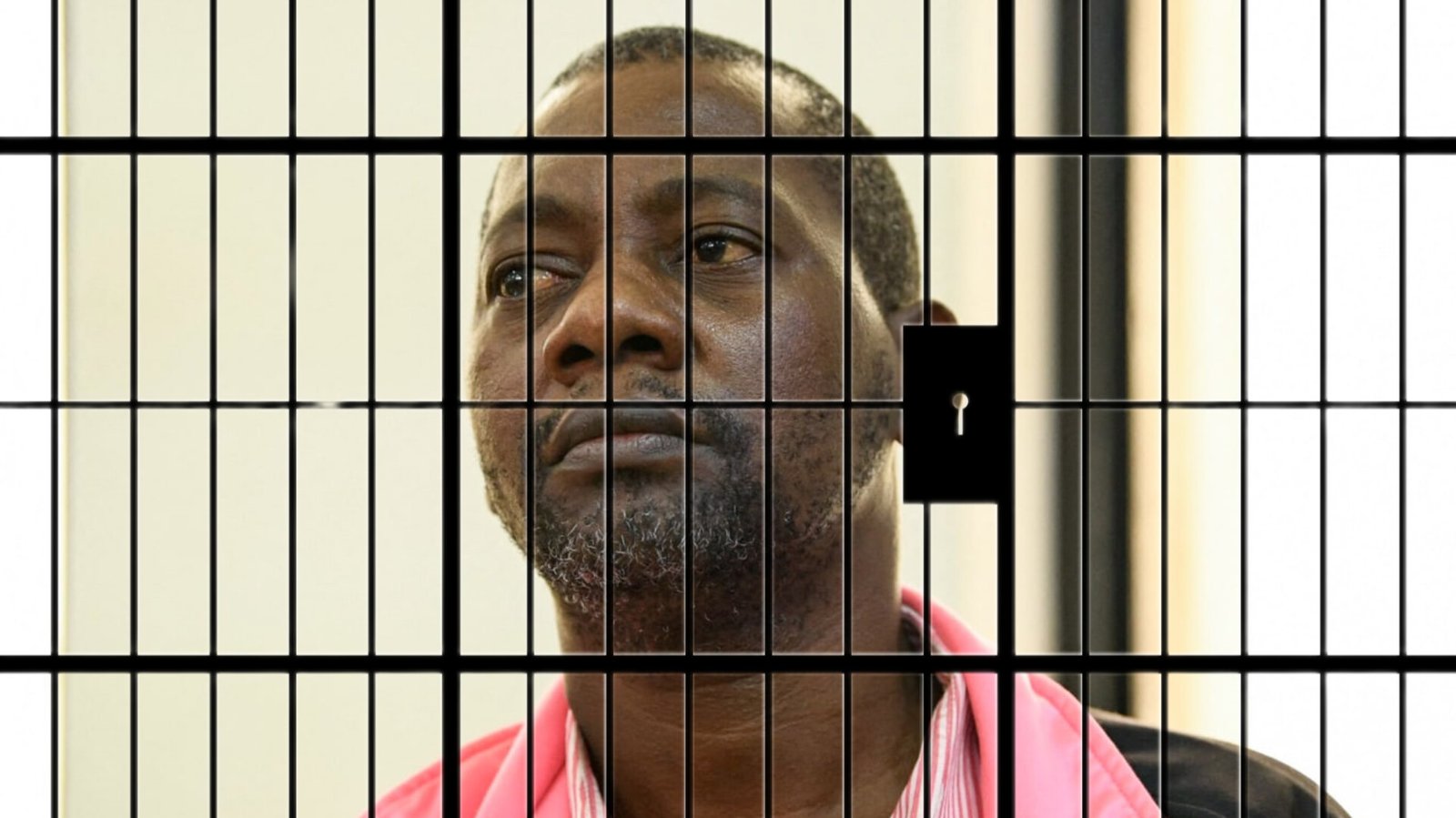
Even after the deaths, suffering and painful memories left by the Shakahola tragedy, some survivors have not completely turned away from Pastor Paul Mackenzie.
One survivor says he still considers Mackenzie his pastor, despite nearly losing his own life in the forest where hundreds of people died.
His account raises a difficult question: Why would someone continue believing in a religious leader associated with a tragedy that caused so much suffering?
The issue has resurfaced as the High Court examines the case against Mackenzie and his co-accused over 191 murder counts linked to the deaths in Shakahola Forest, Kilifi County.
Survivor who lost six children struggles to rebuild his life
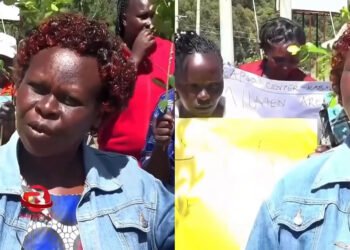
For Steven, the tragedy has left a painful gap in his life after losing six of his children.
The grieving father describes living alone and struggling with memories of the children he lost. Seeing other children reminds him of his own, bringing back the pain of the tragedy.
His experience shows the devastating impact the events in Shakahola have had on families who lost loved ones.
While some survivors are left trying to rebuild their lives, others continue to hold on to the religious beliefs they had before the tragedy.
Why some survivors still consider Mackenzie their Pastor
Another survivor, Peter, says he continues to love Mackenzie and considers him his spiritual leader.
Even after nearly dying in the forest, Peter says his personal experience has not changed how he views the preacher. He maintains that he did not witness Mackenzie doing anything wrong.
His position highlights the complicated relationship some followers may have with a religious leader they trusted for years.
For such followers, abandoning a leader may not be as simple as walking away from a church. Their beliefs, personal experiences and trust in that leader can remain deeply rooted even after a devastating event.
However, the experiences of individual survivors should not be taken to mean that all those who followed Mackenzie continue to support him.
Court examines religious teachings used by Mackenzie
The question of religious teachings has also featured prominently in the court proceedings.
Justice Diana Kavedza-Mochache ruled that Mackenzie and his co-accused relied heavily on the Books of Maccabees to justify their actions. The court found that the books were neither divinely inspired scriptures nor authoritative texts of Christian teaching.
The development brings attention to the role that religious interpretations played in the case and the need to examine how teachings were presented to followers.
The prosecution’s case concerns allegations that people were directed to fast to death in the belief that they would meet Jesus. Mackenzie and his co-accused had pleaded not guilty to the murder charges.
The court’s findings must be distinguished from the allegations made by the prosecution as the judgment process continues.
A tragedy that left families searching for answers
The Shakahola tragedy came to national attention in 2023 after authorities discovered bodies in mass graves in the forest in Kilifi County.
Investigations uncovered a religious movement in which followers were reportedly encouraged to abandon conventional schooling and medical treatment and engage in prolonged fasting.
The deaths devastated families and raised serious questions about the influence religious leaders can have over their followers.
For survivors such as Steven, the loss remains deeply personal. For Peter, his continued loyalty to Mackenzie shows that the tragedy has not led every follower to the same conclusions.
As the court examines the case, their contrasting experiences offer a glimpse into the lasting human impact of Shakahola, where grief, faith and questions of accountability continue to intersect.