

NTSA Launches New System to Track Boda Boda Riders Across Kenya
The system will help authorities identify riders and establish where they operate, following challenges in tracing suspects who travel to different areas to conduct business.
The days when boda boda riders could move from one area to another, operate without being easily identified and disappear after committing crimes could become more difficult, following the introduction of a new tracking system by the National Transport and Safety Authority (NTSA).
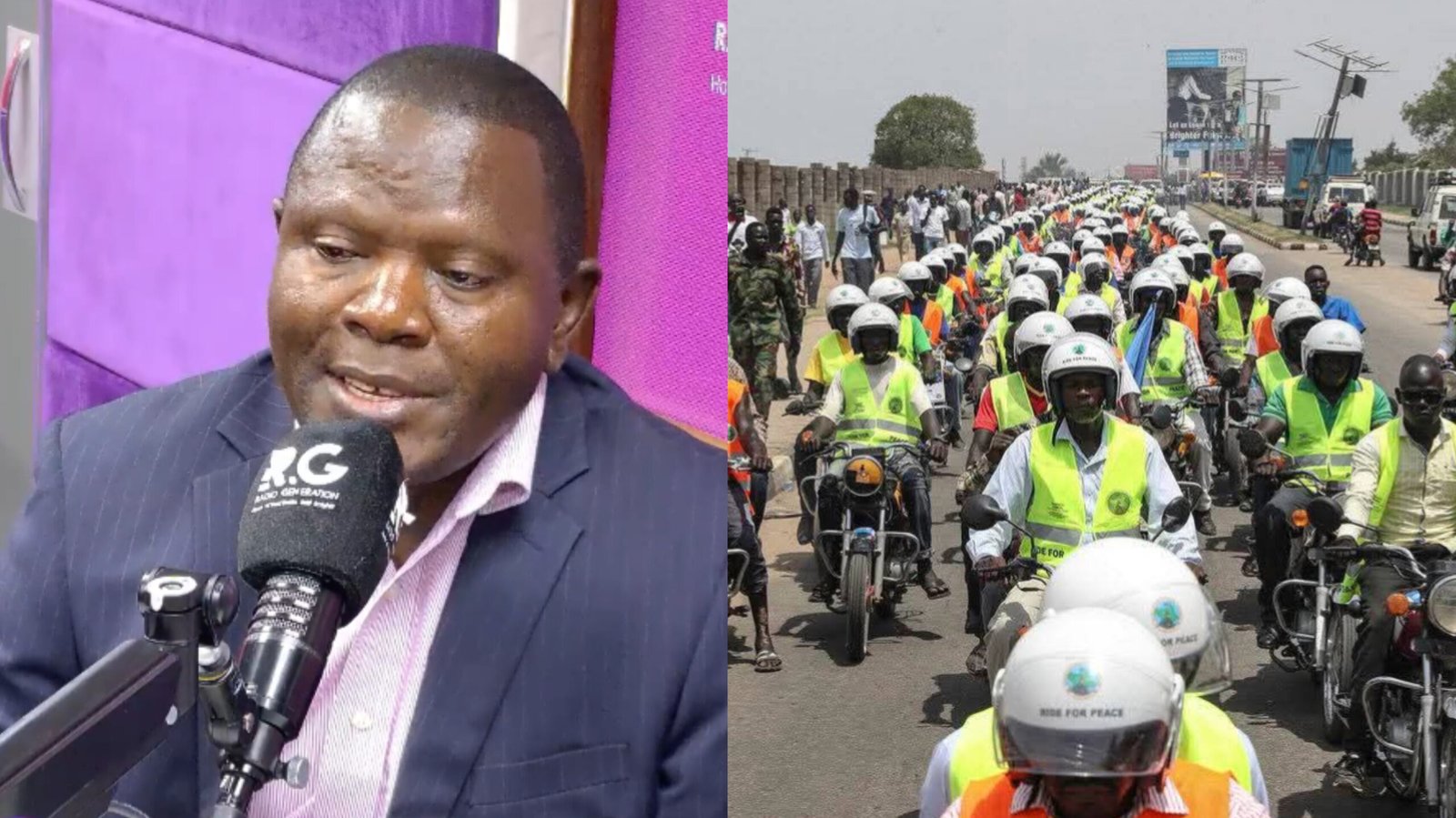
NTSA Assistant Director of Road Safety Programmes Sammy Musumba has revealed that the authority recently launched the Boda Boda Management System (BMS), which is expected to help authorities identify riders and establish their areas of operation.
Speaking during an interview on Radio Generation, Musumba explained that the system is part of efforts to bring order to the growing boda boda sector and make it easier to hold riders accountable for their actions.
He said the system would help authorities establish where riders operate from, the groups they belong to and the stages they use.
Musumba gave an example of riders who travel from areas such as Lang’ata to Nairobi CBD to conduct business before returning to their home areas.
Under the arrangement, counties will designate stages where riders can drop off passengers before returning to their respective operating areas.
“You’re dropping and going back to your Shimo. You don’t stay here in town like they used to do and then crowd places,” he explained.
The NTSA official said the system would also help address cases where riders travel to unfamiliar areas, commit crimes and return to their home locations, making it difficult for local operators and authorities to identify them.
Wangari Maathai Road incident exposed the challenge
Musumba cited an incident in which a woman was molested along Wangari Maathai Road, explaining how investigators encountered difficulties tracing one of the suspects.
According to him, investigations established that the suspect did not operate from Kiambu, despite conducting business in the area.
He reportedly travelled there to work before returning to his home area.
Musumba said the incident exposed the challenges authorities face when trying to identify riders who operate outside their usual locations.
“When we followed up those guys in Kiambu, who is this? Nobody knew him,” he recounted.
He added that the suspect was eventually arrested near the Kenya-Tanzania border while attempting to flee.
The incident, Musumba explained, demonstrated why authorities need to establish where boda boda riders operate from and the groups they belong to.
He said the intention of the new system was not to punish riders but to ensure they operate within an organised structure where they can be identified and monitored.
NTSA wants riders registered under organised groups
The BMS is also expected to complement NTSA’s efforts to organise boda boda operators into structured groups known as circles.
Musumba explained that the 2015 Motorcycle Regulations provide for riders to belong to organised groups, with each circle having at least 100 licensed members.
Through these groups, authorities can establish their leadership and identify riders who have not undergone proper training.
Musumba acknowledged that the sector has grown significantly, but warned that many people enter the industry without adequate training.
“Majority untrained and queued up shortly as long as you can balance, he hits the road. That’s where the challenge is,” he said.
He noted that boda boda operators have become an important part of Kenya’s transport system, particularly in rural areas, making it necessary to organise the sector rather than ignore it.
The authority is therefore pushing for a more structured industry where riders can be identified, trained and held accountable for their conduct.