

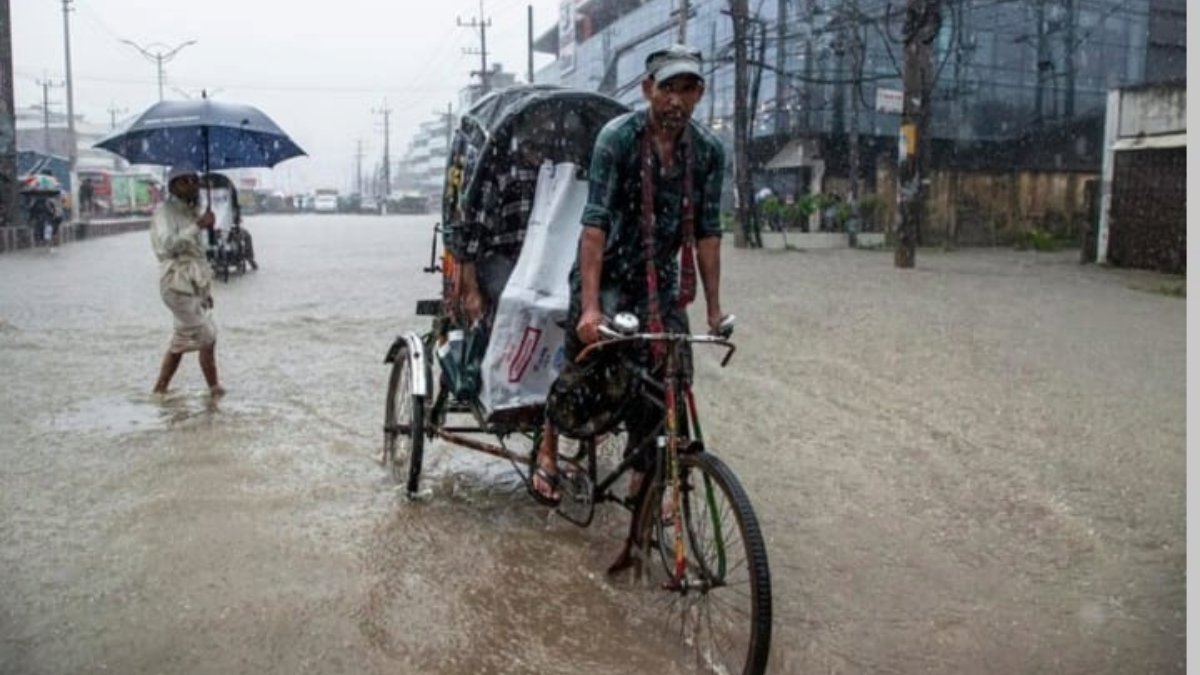
The government has started strengthening its crisis communication and public awareness systems ahead of the October–December 2026 rainfall season, as Kenya prepares for potentially enhanced rains.
Kenya is stepping up preparations ahead of the October–December short-rains season, with the government moving to strengthen how weather warnings, emergency information and other critical messages are communicated to the public.
The Ministry of Information, Communications and the Digital Economy said on September 1 that preparations had begun to strengthen national crisis communication and public awareness ahead of the anticipated El Niño period.
The move comes as the Kenya Meteorological Service forecasts above-average rainfall across parts of the country during the October–December 2026 season.
The anticipated rains could bring relief to farmers and improve water availability, but they could also increase the risk of flooding, landslides and disruption in areas that are vulnerable to heavy rainfall.
Where will the rains be heaviest?
The Kenya Meteorological Service has forecast above-average rainfall across large parts of the country during the short-rains season.
The forecast covers several areas in western Kenya, the Rift Valley, central Kenya, parts of eastern Kenya, Nairobi and the Coast, although rainfall amounts and timing are expected to vary from one region to another.
The meteorological agency has also warned that individual episodes of heavy rainfall can occur even in areas where the overall seasonal forecast does not indicate extreme rainfall.
This means communities will need to continue following shorter-term weather warnings throughout the season rather than relying only on the three-month forecast.
When should Kenyans expect the rains?
The onset of the short rains will vary depending on the region.
Some areas in western Kenya are expected to experience the onset earlier, with rainfall continuing from September, while many parts of central Kenya and Nairobi are expected to receive the rains around October.
The timing is important for both farmers and disaster-response agencies because intense rainfall occurring over a short period can create localized flooding even when the seasonal rainfall total is not exceptionally high.
Why the government is focusing on communication
One of the government’s priorities ahead of the season is ensuring that warnings reach the public early enough for people to act.
For residents in flood-prone areas, an early warning could provide time to move belongings, avoid dangerous roads or relocate to safer areas.
For county governments and emergency agencies, timely information can help with preparations for possible flooding, blocked roads, damaged infrastructure and other weather-related emergencies.
The government’s communication preparedness therefore comes at a critical time as the country moves closer to the peak of the short-rains season.
The rains could be a mixed blessing
Not all effects of the anticipated rainfall will be negative.
Farmers could benefit from improved soil moisture and better water availability, while increased rainfall could help replenish rivers, dams and other water sources.
Also Read : Kenya to Remain Generally Dry as Rainfall Expected in Parts of 33 Counties
However, excessive rainfall can also cause serious problems.
Flooding can damage homes, roads and businesses, while waterlogged farmland can affect crops. Communities living near rivers and in low-lying areas are particularly vulnerable when rainfall becomes intense.
Areas prone to landslides could also face increased risks where prolonged or heavy rainfall saturates the soil.
What should Kenyans do?
The meteorological service has emphasized the importance of using seasonal forecasts together with shorter-term weather updates.
For the public, this means paying attention to official warnings as the season progresses instead of assuming that the seasonal forecast alone can predict what will happen on a particular day.
People living in flood- and landslide-prone areas can also use the period before the rains intensify to identify safer routes, prepare emergency contacts and make arrangements for vulnerable family members.
The government’s preparedness efforts will ultimately be tested by how quickly information moves from national forecasting agencies to county authorities, local communities and individual households.
With the October–December season approaching, the focus is now shifting from simply predicting the rains to ensuring that Kenyans receive the information they need early enough to prepare for them.