


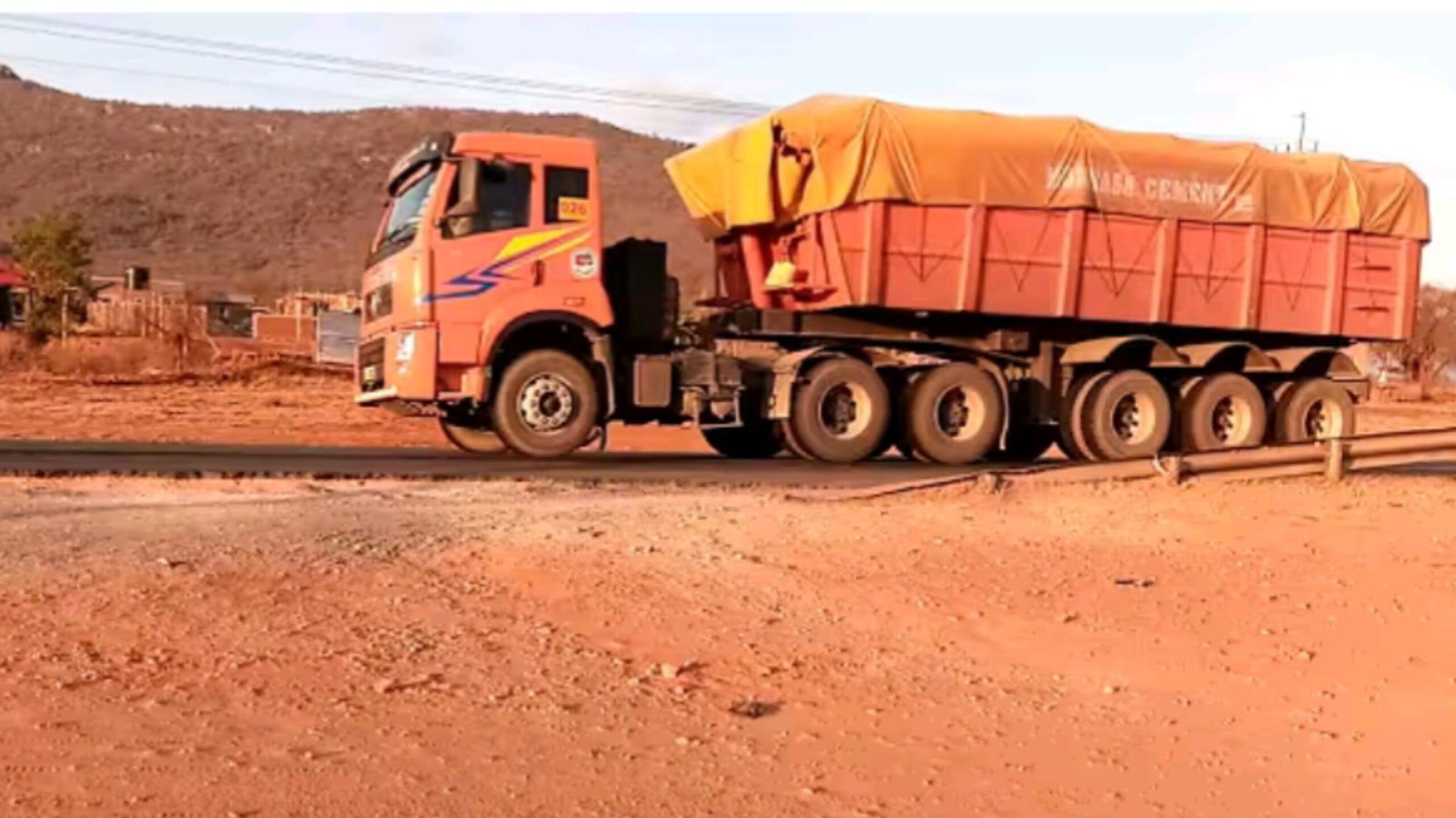
Kenyan Truck Driver Reveals Nearly Two-Day Wait in Rwanda Amid Ebola Fears
A Kenyan truck driver has revealed the difficulties long-distance truckers face while transporting goods across borders amid heightened Ebola fears, claiming that some spend almost two days waiting to undergo medical screening in Rwanda.
Winfred Bahati, a Mombasa-based truck driver, says the journey towards the Democratic Republic of Congo (DRC) has become increasingly demanding, with drivers subjected to screening at multiple points along the route.
“When we arrive in Rwanda and begin our journey to Congo, we are first made to park for almost two days. We are tested, and when we reach Congo, we are tested again. We are subjected to multiple injections. To get to Congo, we have to cross three borders,” Winfred Bahati said.
The delays can disrupt delivery schedules, increase operating costs and affect the movement of goods across the region.
However, the drivers say they understand the importance of Ebola prevention measures and are not opposed to being tested or quarantined when necessary.
Joel Tarus, another Mombasa-based truck driver, said they are willing to comply with health protocols because they understand the risks associated with infectious diseases.
“We accept because we care about our health. In case someone is found to be infected, they are taken into quarantine. We have no problem with that because we understand that everyone has the right to use the roads safely,” Tarus said.
Lazarus Musyoka, Chief Driver Trainer in Mombasa, also spoke about medical screening facilities along the Northern Corridor, saying designated clinics are used to test drivers.
“Along our border routes on the Northern Corridor, there are specific clinics where our drivers are tested,” Musyoka said.
Apart from the health concerns, Kenyan truck drivers have also raised alarm over growing insecurity in South Sudan, saying their safety is increasingly at risk while transporting goods across the border.
They are now appealing to the Kenyan government, transport associations and regional authorities to engage their counterparts in neighbouring countries to address the challenges.
The drivers want health and security protocols implemented fairly and professionally without exposing them to unnecessary delays or intimidation.