

Why Tesla’s rocket thrusters cannot sustain long flights
A car that lifts off the ground, flips in mid-air and lands back on its wheels sounds like the future of transport. But there is a big difference between a car that can briefly leave the ground and one that can actually fly.
Tesla’s next-generation Roadster has attracted attention for its rocket-assisted capabilities, including technology developed with SpaceX. Yet its ability to perform aerial stunts does not necessarily make it a flying car in the conventional sense.
Rocket thrusters are not designed for long flights
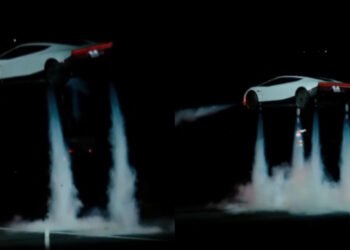
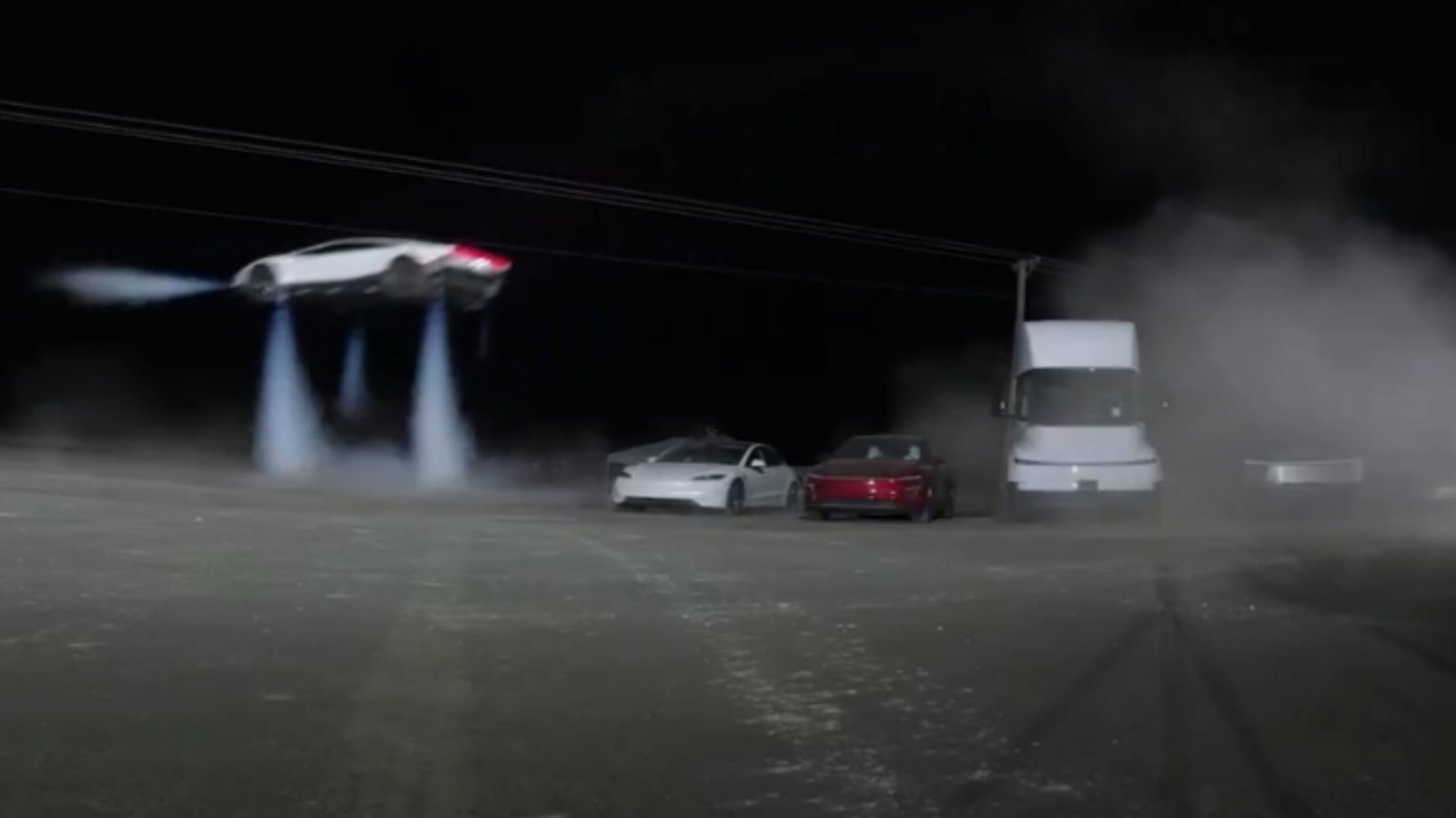
The Roadster’s Rocket version is designed to use compressed-gas thrusters to generate short bursts of force. By directing the gas downwards, the system can push the vehicle upwards.
This could allow the car to lift off briefly and perform controlled aerial maneuvers. However, staying airborne is a different challenge.
An aircraft generates lift through its wings as air moves around them. Helicopters use rotating blades, while many electric vertical take-off aircraft use multiple propellers to remain in the air.
The Roadster’s demonstrated rocket-assisted system serves a different purpose. Tesla has not established that it can keep the car airborne for an extended period or carry passengers over long distances.
The problem with staying in the air
A flying vehicle needs more than enough force to leave the ground. It must maintain lift, control its direction and remain stable throughout the flight.
It also needs a practical way to manage its energy or propulsion supply. The Roadster’s compressed-gas system is intended for brief bursts of thrust, not demonstrated sustained flight.
Without evidence of extended flight capability, the car’s aerial stunts should not be confused with the performance of an aircraft.
What about driving upside down?
Tesla has also demonstrated the Roadster travelling upside down on a specially designed track.
This relies on a suction system that uses fans to reduce air pressure beneath the car, helping hold it against the track.
While the technology is unusual, it does not mean the vehicle can fly. It allows the car to remain attached to a surface under specific conditions.
So, is Tesla building a flying car?
Tesla is pushing the boundaries of what a high-performance electric car can do, but its demonstrated capabilities need to be separated from the broader idea of flying transport.
The Roadster’s rocket-assisted system is designed for brief lift-offs and aerial maneuvers. That is very different from taking off, travelling through the sky and landing somewhere else like an aircraft.
Tesla has targeted 2028 for production, but the final vehicle’s capabilities and availability remain to be seen.
For now, the Roadster may be able to leave the ground. Whether it can become a practical flying car is another question entirely.