

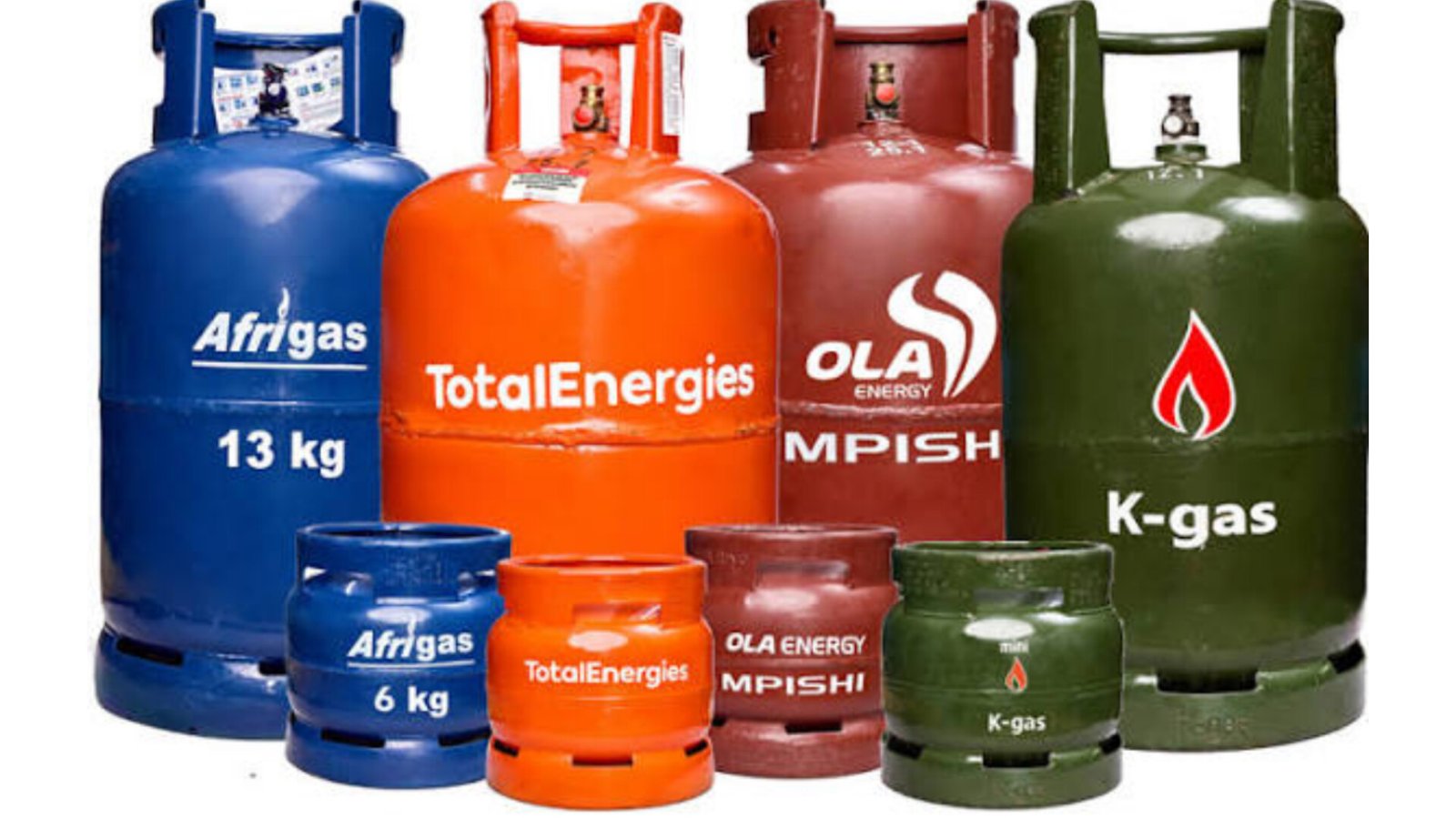
The war thousands of kilometres away is about to hit Kenyan kitchens. Cooking gas prices are expected to rise next month after a sharp jump in the international cost of propane and butane, putting fresh pressure on households already struggling with the cost of living.
Kenyan families could soon be forced to spend more to cook the same meals after international LPG prices surged amid worsening disruptions to petroleum supplies from the Middle East.
Industry executives have warned that the higher costs are likely to be passed on to Kenyan consumers in October, although the exact size of the increase has not yet been announced.
The latest shock is being driven by a steep rise in the prices of butane and propane, the two gases blended to produce liquefied petroleum gas (LPG).
According to market data from Saudi Aramco, butane prices jumped 25.8 per cent, from $499 to $628 per tonne, while propane climbed 23.2 per cent, from $401 to $494 per tonne.
And that increase is unlikely to remain an international-market problem for long.
Your gas cylinder could cost more
Kenya relies heavily on supplies from Saudi Arabia and other Middle Eastern producers, making local LPG prices vulnerable whenever the region’s supply chains are disrupted.
A senior executive at a leading oil marketer told Business Daily that local LPG prices should rise next month because of the higher Saudi Aramco contract prices.
Another industry executive said local prices would “definitely increase” given the current geopolitical situation.
For households, that means another potential hit to the monthly budget.
A 13-kilogramme cylinder is currently retailing at around Sh3,400 at TotalEnergies Marketing and Sh3,225 at Rubis Energy, according to the latest industry reporting.
Those prices had actually come down from May levels, when a 13kg cylinder at the two marketers was selling for Sh3,510 and Sh3,530 respectively.
That relief could now be short-lived
Middle East disruption reaches Kenyan kitchens
The latest LPG shock is tied to escalating conflict in the Middle East, where attacks and disruptions have affected critical petroleum infrastructure and shipping routes.
The situation around the Strait of Hormuz has already disrupted petroleum flows, while Saudi Arabia’s Yanbu terminal has also faced attacks.
LPG exports from Yanbu to Asian markets plunged from 302,600 tonnes in June to 240,300 tonnes in July and just 71,200 tonnes in August. Exports were expected to fall further in September.
With supplies tightening, international prices have moved sharply higher.
And Kenya is feeling the pressure.
The country has already faced renewed concerns over fuel supplies after disruptions to Gulf shipping routes and Saudi infrastructure. The wider energy shock has also pushed global oil prices above $100 a barrel, raising fears of higher transport and fuel costs in Kenya.
Why the government cannot simply set a gas price
Unlike petrol, diesel and kerosene, LPG retail prices are not currently capped by the government.
That means the final price consumers pay is largely determined by private market forces, import costs, distributors and retailers.
So while the government can regulate other petroleum products through the monthly EPRA pricing mechanism, there is no equivalent monthly maximum retail price for cooking gas.
That leaves households exposed when international LPG costs rise.
The latest development comes at an uncomfortable time for consumers.
Cooking gas has increasingly become a preferred alternative to charcoal and kerosene, with LPG consumption rising in the six months to June 2026 despite relatively high prices.
Now, just as more households are relying on gas, another international price shock is threatening to make the essential cooking fuel even more expensive.
The bigger cost-of-living problem
Cooking gas may only be one part of the coming squeeze.
Industry players have also warned that petrol, diesel and kerosene prices could rise in the next pricing cycle as the Middle East conflict continues to disrupt petroleum supplies.
That could create a chain reaction across the economy.
Higher fuel costs can raise transport expenses, increase the cost of moving food and goods and add pressure on businesses that eventually pass higher operating costs to consumers.
For Kenyan households, therefore, the question is no longer simply how much it costs to fill a gas cylinder.
It is how much more expensive everyday life becomes when another global energy shock reaches the kitchen.
For now, consumers are waiting for LPG dealers to reveal the October prices. But the warning from the industry is already clear: cooking gas is about to get more expensive.